




Running a healthcare practice means living in two worlds at once. On one side there is the business: appointments, billing, staff, marketing, and keeping the lights on. On the other side there is the reason you started in the first place, which is helping people feel better. When these two sides pull in different directions, both the practice and the patient suffer.
The good news is that good business decisions and good patient care are not enemies. In fact, when done right, they support each other. A well run practice has more time, energy, and resources to care for people properly. This article shares practical tips to help you balance both without losing sight of what matters most.
Put the Patient Experience First
Every business decision in healthcare eventually circles back to one question: does this help the patient or not? A faster billing system matters because it reduces stress for the person paying. A cleaner waiting room matters because it makes an anxious patient feel safe. When you frame business choices around patient experience, the right path usually becomes clearer.
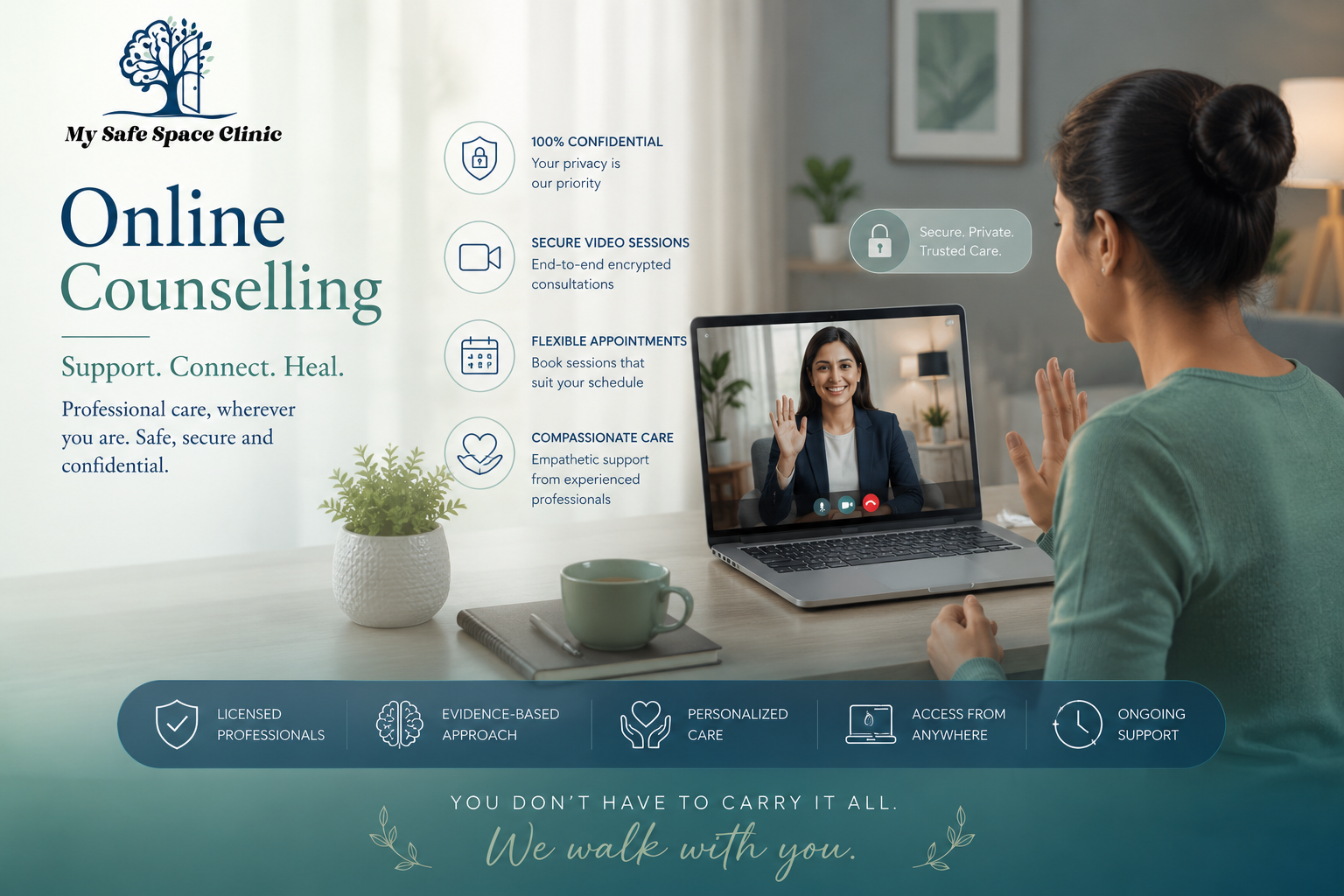
Patients remember how they were treated long after they forget the details of their treatment. A warm front desk, a doctor who listens without rushing, and clear follow up instructions build trust. That trust is what brings people back and makes them recommend you to others. In mental health especially, where people may already feel nervous, a calm and respectful experience is part of the healing itself. This is why services like online counselling work so well, as they remove the stress of travel and let people open up from a place where they feel comfortable.
Communicate Clearly and Honestly
Most complaints in healthcare are not about clinical skill. They are about communication. Patients get upset when they do not understand their diagnosis, their costs, or their next steps. Clear communication is both good ethics and good business.
Explain things in simple language. Avoid heavy jargon. Tell people what to expect before, during, and after a visit. Be upfront about pricing so there are no surprises later. When patients trust that you are being honest with them, they are far more likely to stay loyal and follow through with their treatment plans.
Respect Privacy and Build Trust
Confidentiality is not just a legal requirement. It is the foundation of the relationship between a provider and a patient. This is especially true in sensitive areas where people may feel ashamed or scared to seek help. A patient dealing with addiction or coming in for relationship and emotional counselling needs to know that whatever they share stays private.
When patients feel safe, they share more honestly, and honest information leads to better care. Make sure your staff understands the importance of discretion, your records are stored securely, and your booking and consultation systems protect personal data. A reputation for privacy is one of the strongest assets a healthcare practice can have.
Use Technology Wisely
Technology can save time and reduce errors, but only when it serves people rather than complicating their lives. Online booking, digital records, reminder messages, and video consultations all make care easier to access. They also free up your team to focus on patients instead of paperwork.
The key is to choose tools that fit your patients, not just your budget. An elderly patient may prefer a phone call, while a busy working professional may want to book and consult entirely online. Offering both shows that you respect different needs. For many mental health concerns, from stress management to ongoing anxiety disorder management, remote care has made it possible for people to get help who otherwise might never have walked through a clinic door.
Take Care of Your Team
A burnt out team cannot deliver great patient care, no matter how good your systems are. Healthcare workers carry a heavy emotional load, and when they are exhausted or stressed, patients feel it. Looking after your staff is one of the smartest business investments you can make.
Give your team reasonable schedules, support when cases are difficult, and a workplace where they feel valued. Encourage open conversations about mental wellbeing. A practice that cares for its own people naturally becomes a place that cares better for patients too.
Keep Learning and Improving
Healthcare changes constantly. New research, new treatments, and new patient expectations mean that standing still is the same as falling behind. Make time to learn, gather feedback, and improve.
Ask patients for honest feedback and actually act on it. Review what is working and what is not. Small, steady improvements add up over time and keep your practice both relevant and trusted. A practice that listens and grows is one that patients want to stay with for years.
Final Thoughts
Balancing business and patient care is not about choosing one over the other. It is about understanding that they are deeply connected. When you run a practice with honesty, empathy, and smart systems, you create a place where patients heal well and your practice grows in a healthy way.
If you are looking for compassionate, private, and professional mental health support, My Safe Space is here to help. You can explore our full range of mental health services or reach out today to start your healing journey.